
Product Description
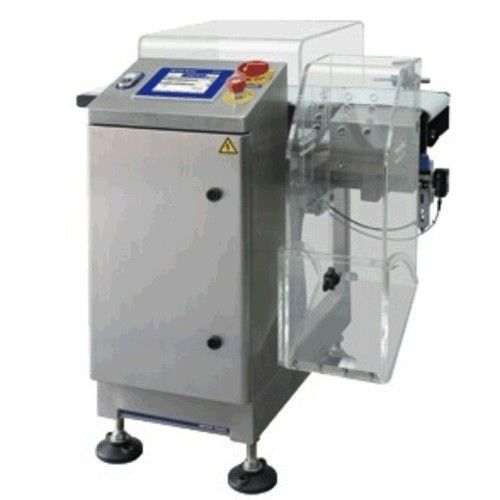
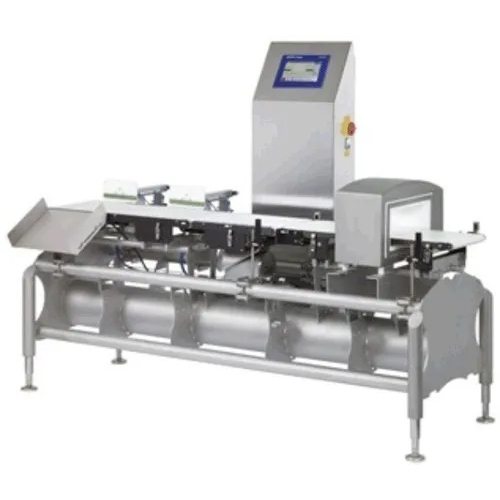
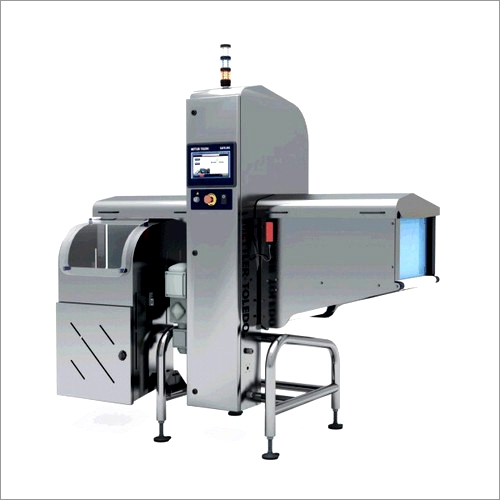
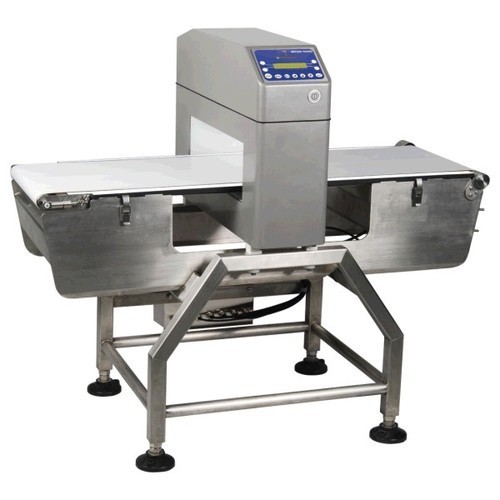
Compact Check weighers
The flexible and compact C12 Standard Line check weigher offers efficient and reliable 100% weight inspection with a through put of up to 200 packs per minute, delivering high weighing accuracy for products up to 6000g.EfficientProduct Handling
50performance and productivity enhancing options, additional conveyors, and adjustable guide rails ensure best-in-class product handling.
Designed for endurance and reliability in wet, dry, and harsh working environments. Specialized conveyors allow regular hygiene cleaning routines.
Data Collection for Compliance Support
Openinter faces with ten data communication protocols provide easy access for data analysis, supporting Industry 4.0 initiatives. Prod X interface.
Product details
| Application | Industrial |
| Usage/Application | Industrial |
| Brand | Mettler |
| Product Type of PH Meter | Portable |
| Product Type | Digital |
| Power | Electric |
Versatile Dynamic Weighing SolutionsCompact Checkweighers are engineered for high-speed, in-motion weighing of products with capacities up to 60 kg. The equipment adapts to diverse production needs with adjustable belt speeds and computer-controlled accuracy. It is ideally suited for industries requiring rigorous quality assurance, such as food, pharmaceuticals, and packaging, ensuring that only correctly weighted items reach the market.
Reliable Performance and IntegrationThese checkweighers offer digital LED or LCD displays for clear visibility and easy operation, supported by multilingual menu options. They are built with corrosion-resistant stainless steel or mild steel and feature PLC-based systems for automated control. Integration with existing production lines is simplified by RS232 and Ethernet interfaces, delivering consistent and reliable performance even in demanding conditions.
FAQs of Compact Checkweighers:
Q: How do compact checkweighers maintain their accuracy during high-speed in-motion weighing?
A: Compact checkweighers use advanced digital sensors and a PLC-based control system to deliver precise results, maintaining accuracy between 0.1 g and 1 g even at belt speeds up to 80 m/min. The accuracy depends on product characteristics and application requirements.
Q: What are the main benefits of using these checkweighers in food and pharmaceutical production?
A: These checkweighers ensure product safety and quality by automatically rejecting items outside prescribed weight ranges. They help manufacturers comply with industry standards, minimize waste, and increase productivity through reliable, automated dynamic weighing.
Q: When should I choose the optional ingress protection (IP54/IP65) for my checkweigher?
A: Opt for IP54/IP65 ingress protection if your production environment includes exposure to dust, moisture, or splashes. This upgrade enhances durability and reliability by safeguarding internal components against environmental hazards, essential for food and pharmaceutical settings.
Q: Where can these checkweighers be installed, and what industries benefit most from them?
A: Compact checkweighers fit seamlessly into food, pharmaceutical, packaging, and industrial lines, making them ideal for producers, exporters, retailers, and suppliers across various sectors in India. Their compact dimension (approx. 800 x 600 x 1200 mm) suits limited spaces.
Q: What kind of rejection systems are available, and how do they operate?
A: The checkweighers offer pusher, air jet, or flap rejection mechanisms. These systems automatically divert underweight or overweight products from the production line, ensuring only compliant items continue to packaging or dispatch.
Q: How does the multi-language menu enhance operator usability?
A: The multi-language menu supports diverse user requirements, allowing operators to select their preferred language for easy setup, operation, and data monitoring, thus improving workflow efficiency and minimizing training time.
Q: What is the process for integrating and operating these checkweighers within existing production systems?
A: Integration is straightforward using RS232 or Ethernet interfaces. After installation (220-240 V AC, approx. 200 W power), the device automatically weighs items in-motion and communicates with control systems for rejection and data management. Operators can adjust speed, weighing range, and monitor results via the digital display.