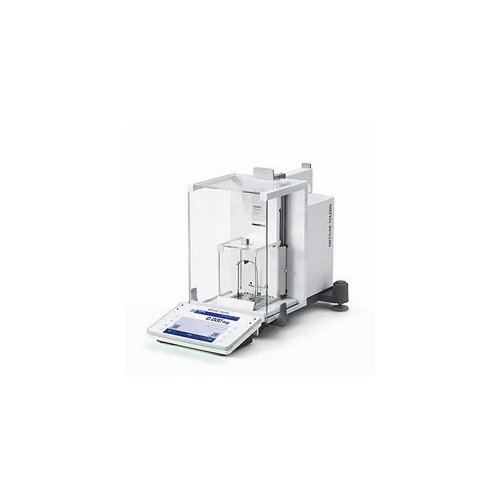

Product Description
Filter Weighing Solutions
When conducting emission testing, determining the weight of particulate matter is a key task in the automotive industry and a base for measurements regarding air quality standards. As the regulations become stricter hence affect several industries, it is crucial to determine the weight of particulate matter accurately.
Process- ptured on filters which have been pre-weighed in the laboratory,sent for processing and then back weighed in the laboratory again. Sample and data integrity are paramount for accurate results.
Challenges -Fragile samples are difficult to weigh accurately, and often static charges can influence weighing results. The two-stage weighing process must be carefully monitored to ensure mistakes do not occur.
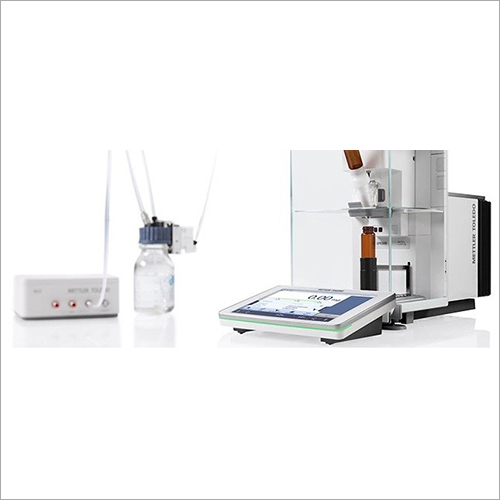
Solutions - METTLER TOLEDOs dedicated filter kits and antistatic solutions provide optimum weighing conditions.
Features:
- Filter Weighing Solutions are less expensive
- More space efficient alternative
- User friendly in nature
- Provides highest level of ergonomics and functionality.
- Allows for perfect view
- Provides exact filter placement
- Infrared sensors are offered
- Excellence analytical balances
- Quick and straightforward
- Checked under important parameters for better quality
- Provides quick and precise weighing
- Reduces electrostatic interference
FAQ
1. What varieties of weighing solutions are offered?
Ans - There are many different kinds of weighing systems available, including checkweighers, floor scales, bench scales, counting scales, and pallet scales.
2. How precise are solution weights?
Ans - The precision of a weighing system can range from 0.01 grammes to several hundred pounds, depending on the device.
3. How can I make sure my weighing solution is adjusted properly?
Ans - The best way to guarantee that your weighing solution is accurately calibrated is through routine maintenance. Regular calibration checks, inspections, and cleanings can all be part of this, in addition to the replacement of any worn-out or broken parts.
4. Which weighing solution type is ideal for my application?
Ans - The sort of product you are weighing, the level of accuracy you require, and your financial constraints will all affect the optimal type of weighing solution for your application. The best way to get the right solution for your needs is to consult with a certified provider of weighing solutions.
5. How should I exercise safety when utilising a weighing solution?
Ans - The weighing area should never have personnel or equipment present. Assure proper installation and upkeep of the weighing solution. When using a weighing solution, wear the proper personal protective equipment at all times. Observe the directions that the manufacturer has supplied.
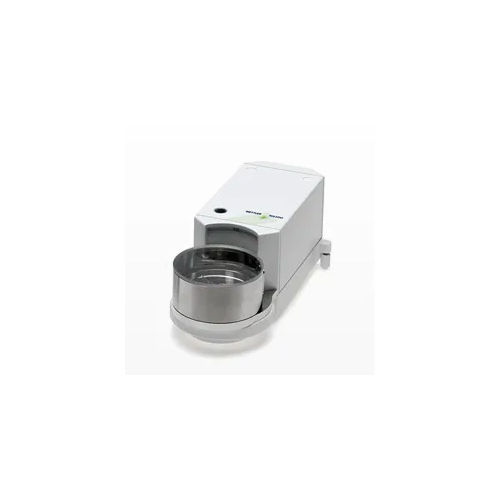
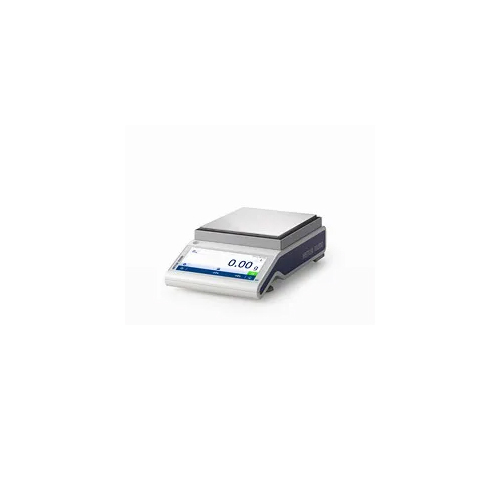
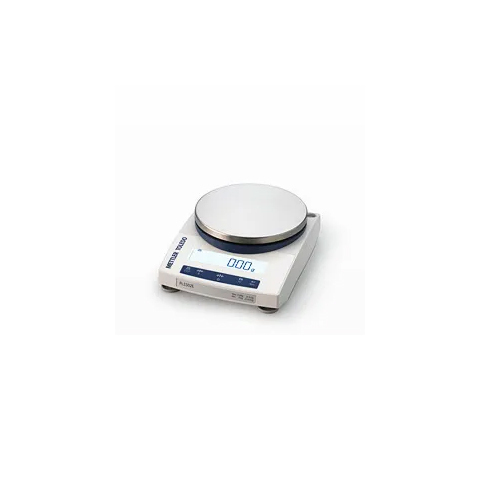
High-Precision Filter Weighing for Critical AnalysesDesigned specifically for high-stakes laboratory weighing, this solution ensures accuracy down to 0.01 mg for filter measurements ranging up to 200 grams. The integrated antistatic ionizer, draft shield, and overload protection make it highly dependable for applications needing stringent compliance with ISO and GLP standards. Its an optimal choice for environmental labs and air quality monitoring tasks.
Seamless Data Handling and ConnectivityFilter Weighing Solutions feature multiple data output formats including CSV and XML, with RS232 connectivity for wired communication. Enjoy full compatibility with LIMS and PC applications for efficient workflow integration. Automatically generated records and calibration logs streamline compliance and data management processes in regulated laboratory environments.
Efficient and Safe Operation with Low MaintenanceEach balance is engineered for safe, straightforward operation. Stainless steel and glass construction, internal and external calibration options, and included dust covers ensure low maintenance and durability. The backlit LCD and touch keypad offer user-friendly navigation, while overload protection and anti-static shielding prioritize safety during every measurement.
FAQs of Filter Weighing Solutions:
Q: How do Filter Weighing Solutions ensure precise measurements in laboratory environments?
A: These solutions feature a high-accuracy analytical balance with a 90 mm diameter pan, antistatic ionizer, draft shield, and overload protection, delivering measurements with up to 0.01 mg accuracy. Internal and external calibration options guarantee consistent results, meeting ISO and GLP standards.
Q: What types of data output formats are supported and how can they be integrated into my existing laboratory system?
A: The balances support CSV and XML data output formats and connect via RS232 or wired interfaces, enabling seamless integration with LIMS and PC software. This ensures easy data transfer and compatibility with established laboratory workflows.
Q: When should I perform calibration on the analytical balance, and what types of calibration are available?
A: Calibration should be conducted regularly, as outlined in your laboratorys SOP or after moving the device. The analytical balance supports both internal automatic calibration and manual external calibration using the provided calibration weight.
Q: Where can these Filter Weighing Solutions be used effectively?
A: Theyre ideal for environmental labs, air quality stations, and PM2.5/PM10 analysis settings where precise gravimetric measurement of filters is essential. Widely available across India, you can source them from dealers, manufacturers, exporters, and suppliers.
Q: What is the process for handling samples and maintaining measurement integrity?
A: Samples are handled in an antistatic chamber with low airflow and protected by anti-static shielding and a draft shield, minimizing interference and maximizing precision. The stainless steel and glass surfaces are designed for easy cleaning and low maintenance.
Q: How does using this solution benefit my laboratorys operations and compliance?
A: By integrating automated calibration, overload protection, and comprehensive data management features, these solutions reduce errors, improve workflow efficiency, and support ISO/GLP compliance, ultimately safeguarding data integrity and result reliability.