
Inductive Conductivity Sensors

Inductive Conductivity Sensors

Product Details:

  • Max Height 180 mm
  • Power Supply 24V DC
  • Resolution 0.1 S/cm
  • Measuring Range 10 S/cm to 2000 mS/cm
  • Mounting Type Inline/Immersion
  • Number of Specimens Single
  • Features Non-contact measurement, chemical resistant, easy cleaning
  • Click to View more
X

Inductive Conductivity Sensors Product Specifications

  • Process Water, Industrial Applications, Water Treatment
  • Automatic
  • 24V DC
  • 1.2 kg
  • 0 to 95% RH (non-condensing)
  • 2% of reading
  • LED/External Digital
  • -10C to +60C
  • 50/60 Hz
  • <1 sec
  • 1/2 NPT
  • Inductive Conductivity Sensor
  • 180 mm
  • 0.1 S/cm
  • 10 S/cm to 2000 mS/cm
  • 24V DC
  • Water conductivity measurement
  • Inline/Immersion
  • Automatic
  • 4-20 mA, Modbus
  • Non-contact measurement, chemical resistant, easy cleaning
  • Single
  • M12 connector
  • 4-20 mA, RS485 (optional)
  • Max. 6 bar
  • 5 m standard, customizable up to 20 m
  • IP68
  • -15°C to +70°C
  • PBT plastic, Stainless Steel electrodes

Inductive Conductivity Sensors Trade Information

  • Asia, Central America, Western Europe, North America, Australia, Africa
  • All India

Product Description

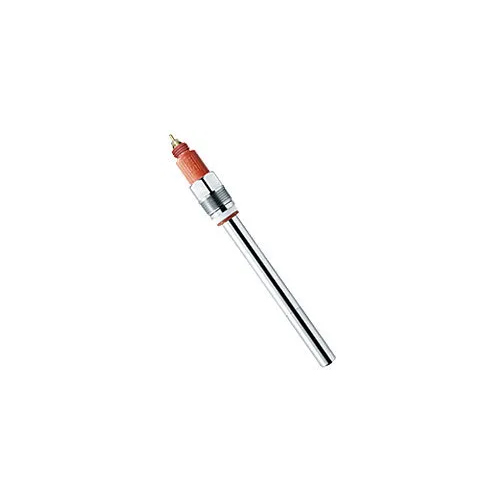
Toroidal / Inductive Conductivity Meter

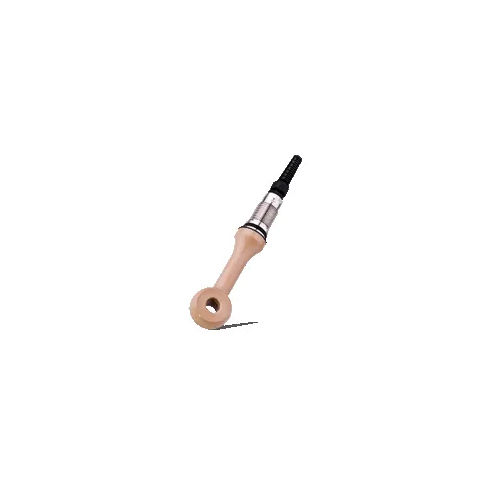
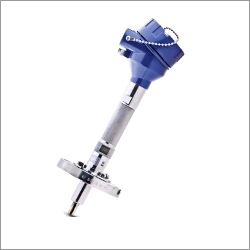
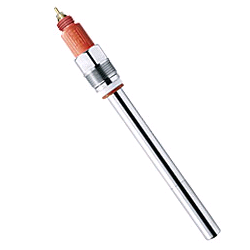
The new InPro7250 Series of inductive conductivity meters from METTLER TOLEDO is designed for in-line measurements of conductivity/concentration levels of acids, bases and salts in liquid media. Main fields of application are in the chemical industry (CPI), pulp and paper processes, as well as monitoring industrial effluents. The design is based on an electrodeless toroidal principle (electrodeless). The sensors of the InPro7250 Series are fully compatible with METTLER TOLEDO "Advanced and Premium Line" transmitters offering two and four wire instruments

Low maintenance sensors and meters for harsh conditions
Easy-to-use sensors for measuring under the harshest conditions.

  • Lowest maintenance due to robust design.
  • Long lifetime through excellent chemical resistance.
  • Reliability thanks to individual testing of cell constant to ensure highest possible measuring accuracy.
Product details

Power

Electric

Brand

METTLER TOLEDO

Material

PEEK, glass-fiber reinforced (GF30)

Model Name/Number

InPro 7250ST Peek, InPro 7250HT Peek, InPro 7250HT PFA

Conductivity

0-2000 mS/cm

Usage/Application

Laboratory

FAQ

1. An inductive conductivity sensor is what, exactly?

Ans - An inductive coil is used by an inductive conductivity sensor to gauge the conductivity of a liquid or solution. Environmental monitoring, industrial process control, and water treatment are just a few examples of the industrial uses for it.

2. Describe the operation of an inductive conductivity sensor?

Ans - By measuring the resistance of the solution as an electrical current flows through it, an inductive conductivity sensor determines the electrical conductivity of a solution. To accomplish this, a current is run through an inductive coil hung in the solution. The relationship between the solutions conductivity and resistance is linear.

3. Why is utilising an inductive conductivity sensor advantageous?

Ans - The key benefits of employing an inductive conductivity sensor are that it can measure a wide range of conductivity values, is extremely accurate, and needs no maintenance. It is ideal for tracking changes over time because it can also detect extremely slight conductivity changes.

4. What drawbacks are associated with the use of an inductive conductivity sensor?

Ans - An inductive conductivity sensors principal drawback is that it is susceptible to interference from other electrical fields, such as those produced by motors and wires. It is also ineffective for determining low conductivity values.

5. What uses can an inductive conductivity sensor be put to?

Ans - Industrial applications include water treatment, industrial process control, and environmental monitoring frequently use inductive conductivity sensors. Additionally, they are employed in medical settings to monitor the bodys electrolyte concentration and in dialysis machines.


Precision for Industrial Water Applications

Designed for seamless integration with process water and industrial systems, the Inductive Conductivity Sensor guarantees laboratory-grade precision (2% accuracy) for conductivity measurements. Its 0.1 S/cm resolution and fast response time support both routine monitoring and critical process adjustments, optimizing system performance and product quality.


Built to Withstand Harsh Conditions

Thanks to its PBT plastic body, stainless steel electrodes, and IP68 rating, this sensor endures hostile environments, from treatment plants to industrial machinery. Its chemical-resistant, easy-to-clean construction extends service life, reducing the need for frequent maintenance while safeguarding consistent operation under variable humidity and pressure.


Flexible Connectivity and Installation

Boasting a standard 5 m cable (customizable up to 20 m), M12 electrical connectors, and inline or immersion mounting, the sensor fits demanding installation needs. Multiple communication options, including the standard 4-20 mA interface and optional RS485/Modbus, ensure compatibility with modern automation systems for streamlined process control.

FAQs of Inductive Conductivity Sensors:


Q: How does the inductive conductivity sensor benefit industrial water treatment processes?

A: This sensor offers non-contact, precise conductivity measurement with a wide measuring range (10 S/cm to 2000 mS/cm) and rapid response, ensuring accurate monitoring for consistent water quality in industrial and process water applications.

Q: What materials and construction make the sensor suitable for harsh environments?

A: The sensor features a PBT plastic body, stainless steel electrodes, and an IP68 rating. Its chemical resistance and easy-to-clean design provide durability and reliable operation under challenging conditions, including high humidity and pressures up to 6 bar.

Q: When should I customize the cable length, and how is this done?

A: If your installation requires a cable longer than the standard 5 meters, you can customize the cable length up to 20 meters at the time of order. Specify your required length to ensure optimal connectivity and placement during installation.

Q: Where can this sensor be installed, and what mounting options are available?

A: The inductive conductivity sensor is suitable for both inline and immersion mounting, making it adaptable for a variety of process locations such as pipelines, treatment tanks, and other water systems.

Q: What is the process for integrating the sensor with control systems?

A: Integration is straightforward via the M12 connector and 4-20 mA analog output, with optional RS485/Modbus digital communication. It is compatible with modern automation systems, enabling real-time data transmission and process control.

Q: How should the sensor be maintained for optimal performance?

A: Due to its non-contact, easy-clean design and chemical-resistant materials, maintenance simply involves periodic cleaning and inspection. The robust construction minimizes routine servicing, helping to ensure accurate, long-term performance.

Tell us about your requirement
product

Price:

Quantity
Select Unit

  • 50
  • 100
  • 200
  • 250
  • 500
  • 1000+
Additional detail
Mobile number

Email

Other Products in 'Process Analytics' category


Back to top
trade india member
Mettler-Toledo India Private Limited All Rights Reserved.(Terms of Use)
Developed and Managed by Infocom Network Private Limited.