 English
 Spanish
 French
 German
 Italian
 Chinese (Simplified)
 Japanese
 Korean
 Arabic
 Portuguese
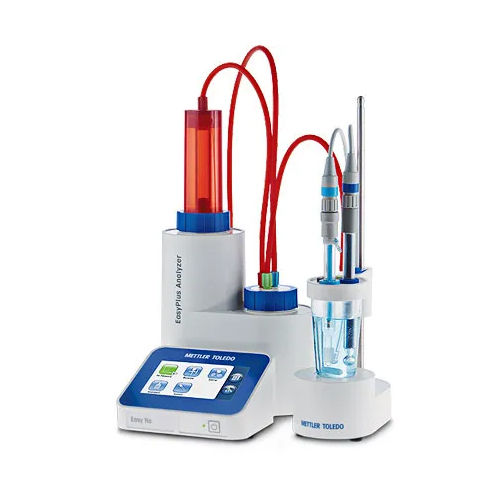
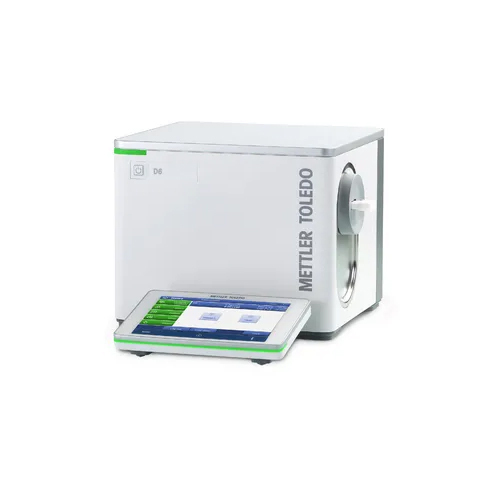
Sodium Analyzer
Product Details:
- Frequency 50/60 Hz
- Model No SSA-01
- Accuracy 2% of F.S.
- Automation Grade Automatic
- Voltage 220 V
- Temperature Range 10C to 50C
- Power Source 220 V AC
- Click to View more
Sodium Analyzer Product Specifications
- 50/60 Hz
- SSA-01
- 2% of F.S.
- 350 x 260 x 120 mm
- 220 V
- Automatic
- Benchtop Sodium Analyzer
- 10C to 50C
- 220 V AC
- Corrosion-resistant ABS body with stainless steel electrodes
- 1 to 200 ppm
- Digital LCD
- Automatic calibration and temperature compensation
- Laboratory sodium ion concentration measurement
- Sodium Ion Electrode, Reference Electrode, Microprocessor
- 0.01 ppm 200 ppm
- Approx. 3.5 kg
Sodium Analyzer Trade Information
- Western Europe, Central America, Australia, North America, South America, Middle East, Asia, Eastern Europe, Africa
- All India
Product Description
Sodium Analyzer :-
Reduce sample preparation using safe and cheap chemicals while specifically and exclusively measuring sodium ions.
Health risks related to excess salt
The World Health Organization (WHO) has published data showing that blood pressure is the number one health-risk factor in Europe and food producers are forced to declare or even reduce the standardly used salt (sodium chloride) content in foods.
Simple and accurate analysis :-
This Sodium Analyzer has been specifically designed to simplify the determination of sodium in food products using the standard addition technique. Simply add a sample and ionic strength adjustment (ISA) solution and start the measurement. That is it! No system calibration is necessary. Sodium analysis has never been so quick and easy. Save operator time and increase productivity with fast sample measurements.
FAQ
1. What is a sodium analyzer?
Ans - A sodium analyzer is a device used to measure the amount of sodium in a substance. It is typically used in laboratories and industrial settings to test the quality of products, such as food and beverages, or to measure concentrations of sodium in water.
2. What types of substances can be tested with a sodium analyzer?
Ans - A sodium analyzer can be used to test a variety of substances, including food, beverages, and water.
3. How does a sodium analyzer work?
Ans - A sodium analyzer works by measuring the electrical conductivity of a sample. The amount of sodium present in the sample is determined by measuring the change in electrical conductivity caused by the presence of sodium ions.
4. What are the benefits of using a sodium analyzer?
Ans - The benefits of using a sodium analyzer include faster and more accurate testing of samples, as well as greater consistency in the results. It can also help reduce the time and cost associated with traditional testing methods.
Advanced Features for Reliable Measurement
With rapid response times under 10 seconds and a high-resolution display of 0.01 ppm, this sodium analyzer ensures fast and accurate results for your laboratory needs. Automatic, multi-point calibration and temperature compensation further enhance reliability and operational ease, reducing manual intervention. The digital LCD provides clear, immediate readings, streamlining data collection and analysis.
Designed for Durability and Ease of Use
Constructed from corrosion-resistant ABS and equipped with stainless steel electrodes, the SSA-01 is built to last in demanding lab environments. Compact dimensions and a moderate weight of 3.5 kg make it easy to move and fit on most benchtops. Its intuitive design, paired with included standard solutions and accessories, allows even new users to operate it efficiently.
FAQs of Sodium Analyzer:
Q: How do I calibrate the SSA-01 Sodium Analyzer?
A: The SSA-01 features automatic one, two, or three-point calibration using standard sodium solutions provided with the analyzer. Simply follow the instruction manual, select the desired calibration mode, and the device will guide you through the process for optimal accuracy.Q: What is the recommended sample volume for each test?
A: For best results, use a sample volume between 2 and 10 ml per test. This ensures accurate measurement within the analyzers designed specifications and resolution capability.Q: When should I perform calibration on the analyzer?
A: Calibration is recommended before first use, after replacing electrodes, and periodically as indicated by your labs quality protocols or if measurement stability decreases. The automatic calibration feature simplifies this process for ongoing reliability.Q: Where should the SSA-01 Sodium Analyzer be installed?
A: Install the analyzer in an indoor location with a non-corrosive atmosphere and stable ambient conditions (10C to 50C), away from direct sunlight or sources of moisture, as specified by the IP42 protection rating.Q: What is the process for measuring sodium ion concentration?
A: To measure sodium ion concentration, prepare the sample (210 ml), calibrate the device if needed, immerse the electrodes in the sample, and initiate the measurement. The analyzer will deliver results in under 10 seconds on its digital LCD.Q: How does the automatic temperature compensation feature benefit users?
A: Automatic temperature compensation ensures that readings remain accurate across varying temperatures between 10C and 50C, minimizing errors caused by environmental changes during the analysis.
Price:
- 50
- 100
- 200
- 250
- 500
- 1000+

Other Products in 'Analytical Instruments' category

GST : 27AABCM0779N1Z0

- Amar Hill, Saki Vihar Road, Powai,Mumbai - 400072, Maharashtra, India
- Phone : 08045816537
- Ms Ekta Zemse (Executive Marketing)
- Mobile : 08045816537
-
 Send Inquiry
 Send Inquiry
|


 |
Mettler-Toledo India Private Limited
All Rights Reserved.(Terms of Use) Developed and Managed by Infocom Network Private Limited. |
