
Product Description
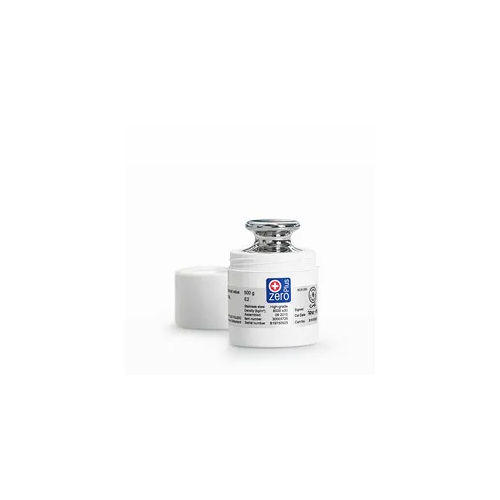
Calibration weights are precision weights used to calibrate scales, balances, and other measuring instruments. These weights are designed to have a known and accurate mass, which is used as a reference to check the accuracy of the measuring instrument.
Calibration weights come in various sizes and weights, ranging from small ones, such as 1 gram, to larger ones that can weigh several kilograms. They are typically made of materials such as stainless steel, brass, or cast iron, which are resistant to corrosion and wear and tear.
To use calibration weights, they must be placed on the weighing instrument and compared to the displayed weight on the instrument. Any discrepancies in the readings indicate that the instrument needs to be adjusted or calibrated.
Calibration weights are critical for ensuring accurate measurements in a variety of industries, including manufacturing, pharmaceuticals, and food processing. Regular calibration is necessary to ensure that measuring instruments are accurate and reliable, which can help prevent product quality issues and ensure regulatory compliance.
In summary, calibration weights are precision weights used to calibrate scales, balances, and other measuring instruments. They are designed to have a known and accurate mass, which is used as a reference to check the accuracy of the measuring instrument. Calibration weights are essential for maintaining accurate measurements in many industries and for ensuring product quality and regulatory compliance.
FAQ
1. What are calibration weights?
Ans - Calibration weights are used to measure and adjust the accuracy of weighing instruments such as scales, balances, and force gauges. They are typically made from stainless steel and are available in a variety of sizes and shapes.
2. How do calibration weights work?
Ans - Calibration weights are placed on a weighing instrument and the instrument is adjusted until it reads the exact weight of the calibration weight. This ensures that the instrument reads the correct weight, even when it is measuring the weight of other objects.
3. What are the different types of calibration weights?
Ans - Calibration weights come in a variety of sizes and shapes. For example, there are metric weights, avoirdupois weights, and troy weights. Additionally, calibration weights are available in sets of various weight classes, such as 1g, 5g, 10g, 20g, 50g, 100g, 200g, 500g, 1kg, 2kg, 5kg, and 10kg.
4. How often should calibration weights be used?
Ans - Calibration weights should be used every 6 months or after any repairs or maintenance on the instrument. Additionally, calibration weights should be used on any new weighing instrument before it is put into use.
Precision Engineered for Reliable CalibrationManufactured to strict tolerances, these calibration weights guarantee exceptional precision for reference and testing weighing scales. Their stainless steel construction provides both durability and resistance to corrosion, making them suitable for repeated use in demanding laboratory and industrial settings. Available in a variety of sizes and classes, each weight ensures the accuracy necessary for mass comparison and calibration applications. Their non-magnetic nature further enhances measurement reliability.
Certified to International and National StandardsAll weights comply with OIML R111-1 specifications and can be supplied with calibration certificates traceable to NABL and ISO 17025 standards. This ensures that each weight meets stringent requirements for accuracy and reliability in professional environments. With traceable documentation, users can maintain confidence and auditability in their measurement and quality control processes.
Safe Packaging and Optimal StorageTo preserve their accuracy and surface integrity, every weight is carefully packed in a protective box or a velvet-lined case. These storage solutions shield against dust, scratches, and environmental changes. For best performance and longevity, it is recommended to store the weights in a dry place, away from humidity and contaminants, ensuring they remain in optimal condition for each calibration cycle.
FAQs of Calibration Weights:
Q: How are calibration weights with OIML, NABL, and ISO 17025 conformance used in laboratories?
A: These calibration weights are primarily used to check and verify the accuracy of balances and weighing scales in laboratories. Their adherence to OIML R111-1, along with traceable NABL or ISO 17025 certification, ensures they are suitable for precise mass comparison, routine testing, and instrument calibration in scientific, industrial, and calibration lab environments.
Q: What is the process for obtaining a calibration certificate with your weights?
A: Upon request, calibration weights can be supplied with certificates from accredited laboratories, following NABL and ISO 17025 protocols. This involves verified mass determinations, traceable to national and international standards, ensuring documented accuracy and compliance for quality audits or regulatory requirements.
Q: When should calibration weights be recalibrated or serviced?
A: Calibration weights should be periodically checked and recalibrated based on usage frequency, handling environment, and your internal quality procedures. Typically, annual recalibration is recommended, but more frequent verification might be required in high-precision or regulated settings to maintain traceability and accuracy.
Q: Where should calibration weights be stored to maintain their precision?
A: It is best to store calibration weights in a dry, clean environmentideally in their supplied protective boxes or velvet-lined cases. This protects them from dust, corrosion, and humidity, preserving their mass stability and surface finish.
Q: What are the key benefits of using stainless steel, non-magnetic calibration weights?
A: Stainless steel calibration weights offer high corrosion resistance, durability, and non-magnetic properties, which are crucial for minimizing external influences on weighing accuracy. These features ensure reliable performance and long service life, especially in professional laboratories and industrial calibration settings.
Q: How do I choose between mirror and matte surface finish for calibration weights?
A: The choice between mirror and matte finishes usually depends on user preference and application environment. Mirror finishes are easier to clean and inspect for contamination, while matte finishes can minimize reflections. Both finishes provide excellent corrosion resistance and do not affect the weights accuracy.