 English
 Spanish
 French
 German
 Italian
 Chinese (Simplified)
 Japanese
 Korean
 Arabic
 Portuguese

Surfactant Sensors
Product Details:
- IP Rating IP65
- Usage Industrial laboratory and field use
- Connectivity Type Wired
- Battery Life Up to 24 hours (on full charge)
- Application Chemical, pharmaceutical, water treatment, and food industries
- Interface RS232/USB
- Features High precision, user-friendly interface, robust enclosure, real-time monitoring
- Click to View more
Surfactant Sensors Product Specifications
- Chemical, pharmaceutical, water treatment, and food industries
- Up to 24 hours (on full charge)
- 0.01 Kg
- 300mm x 150mm x 60mm
- Surfactant Sensor
- AC 220V / DC battery backup
- Wired
- 0-100 Kg
- Digital
- Automatic
- IP65
- Industrial laboratory and field use
- LCD
- White and Grey
- Surfactant detection and concentration measurement
- Electric and Battery
- 0-100 Kg
- Digital LCD
- ABS (Acrylonitrile Butadiene Styrene)
- High precision, user-friendly interface, robust enclosure, real-time monitoring
- RS232/USB
- Electrochemical
- Matte anti-corrosive
- Low, easy access for cleaning
- Supports external USB data logging
- 0°C to 50°C
- -10°C to 60°C
- 10% to 90% RH (non-condensing)
- Overload and surge protection
- Auto calibration mode
- Continuous and batch
- Audio and visual alarms for threshold exceedance
- 500 Units/Month
- Windows 10/11, Linux
- Panel/Wall mount
- <2 seconds
- Analog/digital
- Box
- 2 meters
Surfactant Sensors Trade Information
- Australia, North America, Eastern Europe, Western Europe, Middle East, Africa, Central America, South America, Asia
- All India
Product Description
Surfactant Sensors
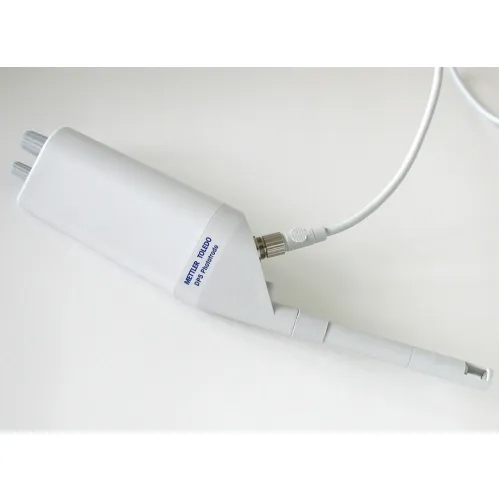
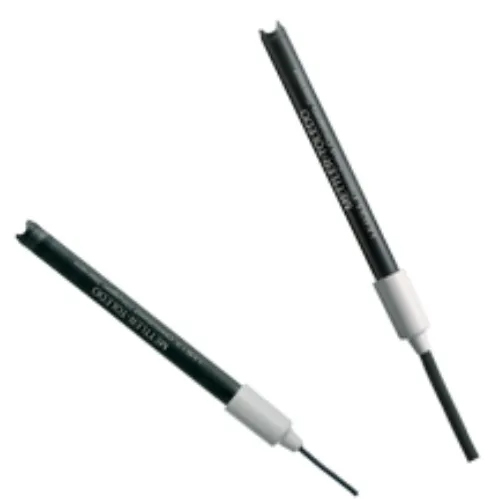
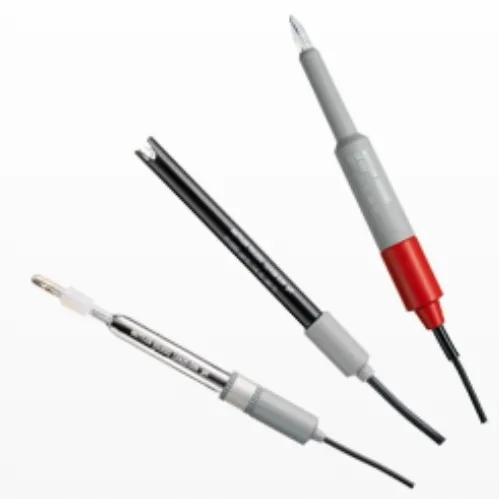
Surfactant sensor for several surfactant titration methods
METTLER TOLEDO offers several methods for surfactant titration allowing the appropriate choice to be made for the sample in question.
Surfactant Sensors provided by our company, are commonly used in the construction of voltammetry sensors to improve the sensor's sensitivity and selectivity. These sensors are used in a wide range of industries, from home detergents to drilling muds, food, and pharmaceuticals. Because they are amphiphilic, they are absorbed at the air-water contact. Surfactant Sensors are checked under various parameters to ensure their high quality and long lasting service life. They help in creating a specific orientation of molecules on the electrode surface, and enhancing electron transfer reactions. These sensors are very effective as well as economical and great to use.
Properties:
- Reduces surface and interfacial tension
- Helps in stabilizing the interface
- Corrosion proof
- Safe to operate
- Easy installation
- Greatly used
- Very easy installation offered
FAQ
1. What is a surfactant sensor, exactly?
Ans - A surfactant sensor is a piece of equipment that determines the quantity and presence of surfactants in a liquid solution. Surfactants can be employed as detergents, emulsifiers, lubricants, and dispersants since they have an affinity for both water and oil. Surfactant concentrations can be used to assess the cleanliness of surfaces, the integrity of membranes, and the purity of liquids.
2. How do surfactant sensors function?
Ans - Electrodes are used by surfactant sensors to gauge a solution's electrical conductivity. The presence of a surfactant causes the solution's electrical conductivity to rise, which the sensor can recognise.
3. What are the benefits of utilising a surfactant sensor?
Ans - Surfactant sensors offer a quick and simple approach to gauge the amount of surfactants present in a liquid solution. This information can be used to assess the purity of liquids, the robustness of membranes, and the efficacy of cleaning procedures. They are helpful for identifying the presence of surfactants in industrial processes as well as for monitoring the level of surfactants in wastewater.
4. What kinds of surfactants can a surfactant sensor identify?
Ans - A variety of surfactants, including anionic, cationic, nonionic, and amphoteric surfactants, are capable of being detected by the majority of surfactant sensors.
5. How reliable are surfactant sensors?
Ans - Surfactant sensors can be used to precisely monitor the concentration of surfactants in a liquid solution because they are very accurate.
Seamless Surfactant Monitoring Made Simple
With its automatic calibration mode and high-precision electrochemical sensor, the Surfactant Sensor delivers reliable surfactant detection with minimal user intervention. The user-friendly LCD interface and robust, anti-corrosive body allow for easy installationwhether wall or panel mountedensuring seamless integration into industrial or laboratory workflows. Audio and visual alarms promptly alert users to threshold exceedance, safeguarding quality and safety in real time.
Versatile Application & Industry Compatibility
Designed to operate effectively in temperatures from 0C to 50C and humidity levels of 10% to 90% RH (non-condensing), this sensor caters to a variety of challenging environments. Its IP65-rated matte ABS enclosure resists corrosion and moisture, making it suitable for chemical, pharmaceutical, water treatment, and food processing sectors. The sensor supports both continuous and batch sampling, providing flexibility for different operational needs.
Data Management & Enhanced Safety Features
Effortlessly log all relevant measurement data via external USB connectivity and enjoy remote access with RS232/USB interfaces. The internal alarm system provides both audio and visual alerts in case of threshold exceedance or overload, while built-in surge protection ensures reliability. Additionally, the sensor is easy to maintain with accessible cleaning options to uphold long-term accuracy and performance.
FAQs of Surfactant Sensors:
Q: How do I mount and set up the Surfactant Sensor in my facility?
A: The sensor is designed for easy installation on panels or walls using its robust mounting system. Simply follow the included guide to secure it in place, connect to your AC power supply or use the battery backup, and the auto calibration mode will prepare it for operation with minimal setup.Q: What environments are suitable for using this surfactant sensor?
A: It is ideal for industrial laboratories and field operations, functioning efficiently between 0C to 50C and in humidity from 10% to 90% RH (non-condensing). The matte ABS enclosure and IP65 rating ensure it withstands challenging chemical, pharmaceutical, food processing, and water treatment environments.Q: When does the alarm system activate, and what forms of alerts does it provide?
A: The built-in audio and visual alarm system activates immediately when measured surfactant concentrations exceed preset thresholds or in case of system overload, ensuring prompt attention to potential risks.Q: What is the process for data logging and accessing measurement data?
A: The sensor supports external USB data logging; simply connect a compatible USB device to store readings. Data can be accessed via the digital LCD display or downloaded through RS232/USB interfaces for analysis on Windows 10/11 or Linux systems.Q: How is maintenance handled for this sensor?
A: The sensor is designed for low-maintenance operation. Its easy-access enclosure allows for straightforward cleaning without special tools, ensuring accuracy and longevity while minimizing downtime.Q: What benefits does this sensor offer over traditional surfactant monitoring tools?
A: With a rapid response time of less than 2 seconds, high measurement accuracy (0.01 Kg), automatic calibration, digital LCD display, and robust safety featuresincluding overload/surge protection and IP65 housingthis sensor guarantees reliable, immediate monitoring with simple controls and versatile data management.Q: Where can this surfactant sensor be sourced and used in India?
A: As a product manufactured, distributed, and supported throughout India, it is available through multiple channelsdealers, exporters, service providers, and retailerscatering to various industries needing advanced surfactant detection.
Price:
- 50
- 100
- 200
- 250
- 500
- 1000+

Other Products in 'Laboratory Consumables & Accessories' category

GST : 27AABCM0779N1Z0

- Amar Hill, Saki Vihar Road, Powai,Mumbai - 400072, Maharashtra, India
- Phone : 08045816537
- Ms Ekta Zemse (Executive Marketing)
- Mobile : 08045816537
-
 Send Inquiry
 Send Inquiry
|


 |
Mettler-Toledo India Private Limited
All Rights Reserved.(Terms of Use) Developed and Managed by Infocom Network Private Limited. |
