 English
 Spanish
 French
 German
 Italian
 Chinese (Simplified)
 Japanese
 Korean
 Arabic
 Portuguese
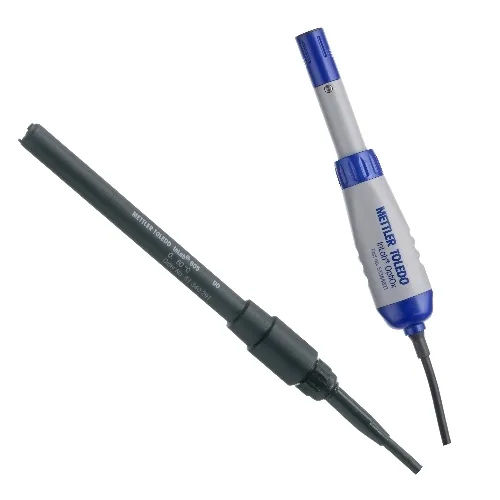
InLab Dissolved Oxygen Sensors
Product Details:
- Features Integrated temperature sensor, easy maintenance, quick response time, accuracy, stable readings
- Automatic Grade Automatic
- Interface BNC Connector
- IP Rating IP67
- Application Water quality measurement in labs, environmental and industrial applications
- Connectivity Type Wired
- Size Sensor length: approx. 130 190 mm (depends on model)
- Click to View more
X
InLab Dissolved Oxygen Sensors Product Specifications
- Up to 1000 hours (varies by usage)
- LCD
- Battery and external power
- Laboratory and field analysis
- Sensor length: approx. 130 190 mm (depends on model)
- Measurement of dissolved oxygen in liquid samples
- Digital
- 0 60 mg/L
- Water quality measurement in labs, environmental and industrial applications
- IP67
- Wired
- 0.1 mg/L (dependent on model)
- Dissolved Oxygen Sensor
- BNC Connector
- Battery and direct power supported
- White/Grey (body color may vary per model)
- Integrated temperature sensor, easy maintenance, quick response time, accuracy, stable readings
- Plastic, Stainless Steel (sensor tip)
- Automatic
- Up to 4 bar (model dependent)
- Replaceable (for galvanic models)
- METTLER TOLEDO and other pH/DO meters with suitable connector
- 0 50C
- Air or zero oxygen calibration
- 1 2 meters (depends on model)
- Available
- Store dry or in recommended protective cap when not in use
- Galvanic and Optical versions available
- Periodic cleaning and calibration required
- 0 50C (dry and protected)
- T90 < 60 seconds (typical)
Product Description
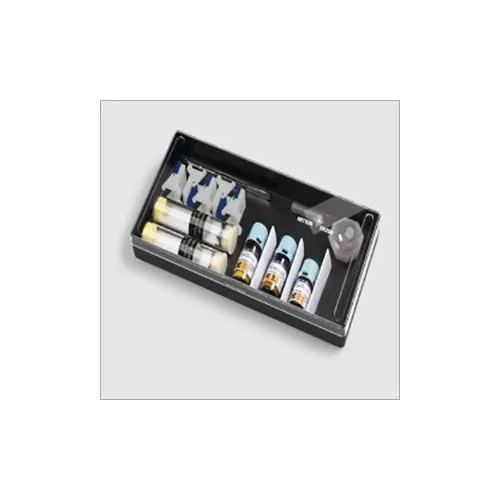
InLab Dissolved Oxygen Sensors
METTLER TOLEDO offers both professional benchtop and portable measuring systems for dissolved oxygen determination.
InLab OptiOx (for the SevenExcellence S900 benchtop meter and SevenGo (Duo) Pro SG9/98 portable meters) - The optical measurement principle based on the RDO(Rugged Dissolved Oxygen) technology makes measuring dissolved oxygen in aqueous samples even faster and more accurate. Thanks to "Intelligent Sensor Management" (ISM) you save time and avoid mistakes.
InLab 605 (for the SevenExcellence S600 benchtop meter and SevenGo (Duo) Pro SG9/98 portable meters) - This sensor incorporates the newest technology in polarographic dissolved oxygen determination. It is available with and without ISM.
Versatile Sensor Options
Select from galvanic and optical sensor types to match diverse measurement needs. Each type features a protective plastic body and stainless steel tip, along with integrated temperature sensors and automatic operation. Users benefit from quick maintenance, an LCD display, and compatibility with a variety of meters for flexible usage.
Simple Calibration and Maintenance
Calibration is straightforward, using either air or zero-oxygen standards. Galvanic models include replaceable electrolyte solutions and membranes for extended sensor life. Regular cleaning and calibration ensure accurate readings, while dry storage or use of the recommended protective cap preserves sensor stability between uses.
Designed for Indian Laboratories and Field Work
With a robust IP67 rating, cable lengths from 1 to 2 meters, and a wide temperature and pressure operating range, these sensors are suited for water quality testing in labs, field sites, environmental studies, and industrial processes. Dealers and suppliers across India make procurement and after-sales support convenient.
FAQs of InLab Dissolved Oxygen Sensors:
Q: How do I calibrate the InLab Dissolved Oxygen Sensor and how often should this be done?
A: Calibration is performed using either air or a zero-oxygen standard, following the instruments guidelines. It is recommended to calibrate the sensor regularlytypically before each measurement session or after maintenanceto ensure precise and reliable results.Q: What is the typical response time of the sensor and why is it important for measurements?
A: The T90 response time is less than 60 seconds under typical conditions, allowing users to quickly obtain stable dissolved oxygen readings. Fast response times are crucial in time-sensitive analyses and field measurements.Q: Where can I use InLab Dissolved Oxygen Sensors and what applications are they suited for?
A: These sensors are designed for laboratory and field use in water quality measurement, including environmental monitoring and industrial applications. They are suitable for academic research, regulatory compliance testing, and process optimization in industries across India.Q: What are the maintenance requirements for InLab Dissolved Oxygen Sensors?
A: Maintenance involves regular cleaning, periodic calibration, and membrane or electrolyte replacement for galvanic models. Proper storage in a dry environment or with a protective cap is also recommended to maximize sensor longevity and performance.Q: How does the sensor connect to measurement instruments, and what is its compatibility?
A: The sensor uses a BNC connector for wired connectivity and is compatible with METTLER TOLEDO and other pH/DO meters that support standard connections, offering easy integration into existing laboratory or field setups.Q: What are the benefits of choosing between galvanic and optical versions of the sensor?
A: Galvanic sensors are robust with replaceable membranes and electrolytes for cost-effective operation, while optical sensors provide low-maintenance, stable, and interference-resistant measurements. This flexibility allows users to choose the best type for their specific application.Q: When should the membrane and electrolyte solution be replaced in the galvanic sensor models?
A: Replacement is typically required when a notable decline in sensor response or accuracy is observed, or as recommended in the maintenance guidelinesusually after extended use periods or exposure to challenging samples. Regular checkups help maintain optimal performance.Tell us about your requirement

Price:
Quantity
Select Unit
- 50
- 100
- 200
- 250
- 500
- 1000+
Additional detail
Mobile number
Email

Other Products in 'Laboratory Consumables & Accessories' category

Contact Details
Mettler-Toledo India Private Limited
GST : 27AABCM0779N1Z0
GST : 27AABCM0779N1Z0

- Amar Hill, Saki Vihar Road, Powai,Mumbai - 400072, Maharashtra, India
- Phone : 08045816537
- Ms Ekta Zemse (Executive Marketing)
- Mobile : 08045816537
-
 Send Inquiry
 Send Inquiry
|


 |
Mettler-Toledo India Private Limited
All Rights Reserved.(Terms of Use) Developed and Managed by Infocom Network Private Limited. |
