 English
 Spanish
 French
 German
 Italian
 Chinese (Simplified)
 Japanese
 Korean
 Arabic
 Portuguese
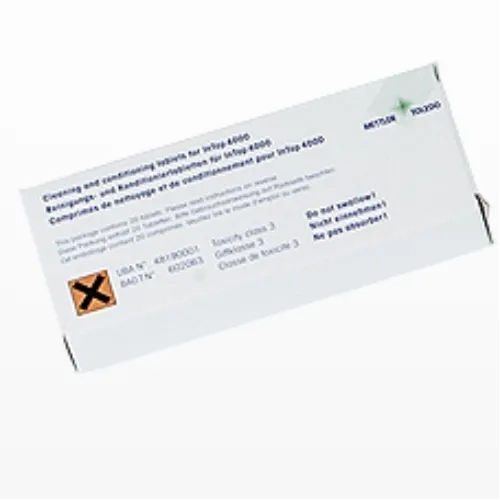
Dissolved Oxygen Standards
Product Details:
- Temperature Range 15C - 30C
- Feature NIST Traceable, High Accuracy, Ready to Use
- Model No DO-STD-500 / DO-STD-1000
- Accuracy 0.02 mg/L
- Core Components Standard Solution (Reagent)
- Measurement Range Specific value as marked (e.g. 2 mg/L, 5 mg/L, 8 mg/L, 20 mg/L)
- Capacity 500 ml, 1000 ml
- Click to View more
Dissolved Oxygen Standards Product Specifications
- Varies with Packaging (typically ~600g for 500 ml)
- NIST Traceable, High Accuracy, Ready to Use
- 15C - 30C
- As per packaging (typically 7.5cm x 7.5cm x 19cm for 500 ml bottle)
- 0.02 mg/L
- DO-STD-500 / DO-STD-1000
- Dissolved Oxygen Standard Solution
- Specific value as marked (e.g. 2 mg/L, 5 mg/L, 8 mg/L, 20 mg/L)
- Standard Solution (Reagent)
- Not Applicable (Standard Solution)
- Calibration of Dissolved Oxygen Meters and Probes
- High-Purity Reagent Grade Chemicals
- 500 ml, 1000 ml
- HDPE Bottle, Leak-proof Cap
- Water Quality Analysis, Laboratory Calibration
- Clear
- 12 months from date of manufacture
- Cool, dry place; avoid direct sunlight
Dissolved Oxygen Standards Trade Information
- South America, Western Europe, Australia, Eastern Europe, Middle East, Central America, Asia, North America, Africa
- All India
Product Description
Dissolved Oxygen Standards
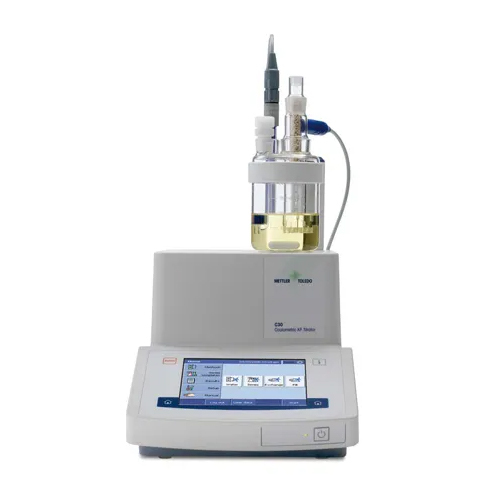
METTLER TOLEDO offers dissolved oxygen standards for reliable results at low dissolved oxygen levels. Zero oxygen tablets are also available for calibration, verification or conditioning purposes.
To measure reliably at lowdissolved oxygen levels a calibration with zero oxygen is recommended. This is possible with our zero oxygen tablets that make the preparation of a zero oxygen solution fast and easy.
Dissolved oxygen (DO) standards are the norms established by scientific and regulatory organisations to guarantee appropriate oxygen levels in aquatic habitats. Examples of dissolved oxygen standards include the following:
1. The United States Environmental Protection Agency (EPA) establishes DO criteria for freshwater systems water quality. Healthy freshwater habitats require a minimum DO concentration of 5 mg/L and a maximum tolerable level of 12 mg/L.
2. World Health Organisation (WHO) Recommendations: The WHO has established DO recommendations for safe drinking water. In sources of drinking water, the minimum DO content shall not be less than 6 mg/L.
3. AWWA Standards: For drinking water treatment facilities, the American Water Works Association (AWWA) has defined DO standards. Raw water entering the treatment facility should have a minimum DO content of 5 mg/L, and processed water exiting the facility should have a minimum DO concentration of 8 mg/L.
4. ASTM Standards: For a number of sectors, the American Society for Testing and Materials (ASTM) has established DO standards. The minimum DO content for industrial wastewater discharge into surface waterways, for instance, is specified by ASTM D888-05.
5. Monitoring DO levels is crucial for maintaining healthy aquatic ecosystems and avoiding ecological harm.
FAQ
1. What are the criteria for dissolved oxygen?
Ans - According on the type of waterbody, the US Environmental Protection Agency recommends dissolved oxygen levels between 5 and 9 mg/L.
2. How does aquatic life respond to dissolved oxygen levels?
Ans - As a result, fish deaths and other negative effects may result from low amounts of dissolved oxygen in the water.
3. What are some dissolved oxygen sources?
Ans - Diffusion from the atmosphere, aeration from flowing water, and photosynthesis from aquatic plants and algae are all possible sources of dissolved oxygen.
4. How can I check the concentrations of dissolved oxygen?
Ans - Using dissolved oxygen metres or test kits, you can keep an eye on the levels of dissolved oxygen in water bodies.
5. What are the effects of an excess of dissolved oxygen in a body of water?
Ans - Excessive dissolved oxygen can create oxygen supersaturation, which can result in hazardous chemical releases and harmful algal blooms.
Reliable Calibration for Precise Measurements
Ensuring accurate dissolved oxygen readings is paramount in water quality analysis. These standards are specifically tailored for the calibration and verification of dissolved oxygen meters and probes. Manufactured using high-purity chemicals and meticulously tested, they deliver high accuracy and repeatability for laboratory and field work.
Convenient and Safe Packaging
The solution is supplied in robust HDPE bottles that feature leak-proof caps, preserving integrity during transport and storage. The clear solution allows for visual inspection, and the bottles are sized for ease of handling in both 500 ml and 1000 ml capacities. These packaging details ensure simplicity and safety throughout use.
Compliance and Traceability Assured
Each batch of Dissolved Oxygen Standard is NIST-traceable, confirming its suitability for regulatory and quality control environments. Lab technicians, suppliers, and service providers can trust these standards to deliver accurate calibration each time, supporting compliance and best laboratory practices.
FAQs of Dissolved Oxygen Standards:
Q: How should Dissolved Oxygen Standards be stored to maintain their accuracy?
A: These standards should be stored in a cool, dry place, away from direct sunlight, to preserve their quality. Secure the leak-proof cap tightly after each use and avoid exposing the solution to temperatures outside the range of 15C to 30C.Q: What is the recommended process for using this solution in laboratory calibration?
A: To use the standard, pour the required quantity into a clean calibration vessel, submerge the dissolved oxygen meter probe, and follow the calibration procedure as specified by your equipment manufacturer. Always use a fresh portion for each calibration to prevent contamination.Q: When should the Dissolved Oxygen Standard solution be replaced?
A: Replace the standard solution if it is past its 12-month shelf life from the date of manufacture or if contamination, cloudiness, or any irregularity is observed. Fresh solution ensures calibration accuracy.Q: Where are these Dissolved Oxygen Standards typically used?
A: They are utilized in laboratories, water quality testing facilities, and field service applications throughout India for calibrating and verifying dissolved oxygen meters and probes.Q: What are the main benefits of using a NIST-traceable dissolved oxygen standard?
A: NIST traceability ensures that the standards value is reliable and meets international benchmarks, promoting consistent and accurate measurements in regulated environments and supporting laboratory accreditation requirements.Q: How does the accuracy of this standard benefit water quality analysis?
A: With an accuracy of 0.02 mg/L, these standards ensure that measurement errors are minimized, thereby improving the reliability of data collected during water quality testing and regulatory compliance assessments.
Price:
- 50
- 100
- 200
- 250
- 500
- 1000+

Other Products in 'Analytical Instruments' category

GST : 27AABCM0779N1Z0

- Amar Hill, Saki Vihar Road, Powai,Mumbai - 400072, Maharashtra, India
- Phone : 08045816537
- Ms Ekta Zemse (Executive Marketing)
- Mobile : 08045816537
-
 Send Inquiry
 Send Inquiry
|


 |
Mettler-Toledo India Private Limited
All Rights Reserved.(Terms of Use) Developed and Managed by Infocom Network Private Limited. |
